Tutorials

Step-by-step walkthroughs for building scenes, games, animation and characters with Strata — by hand, no AI required. 26 tutorials.

Scenes

Build and label a scene, or cut a model into named parts.

Cut any textured mesh into named parts

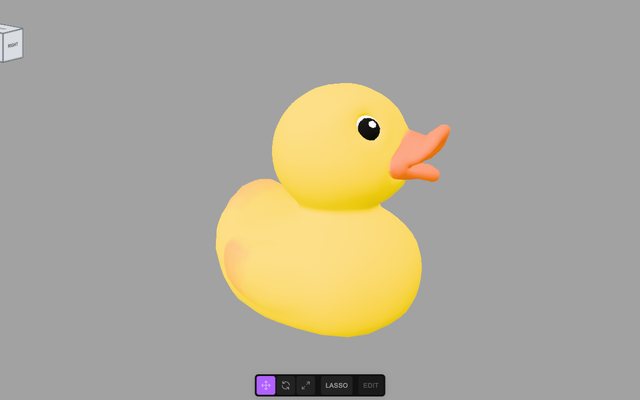
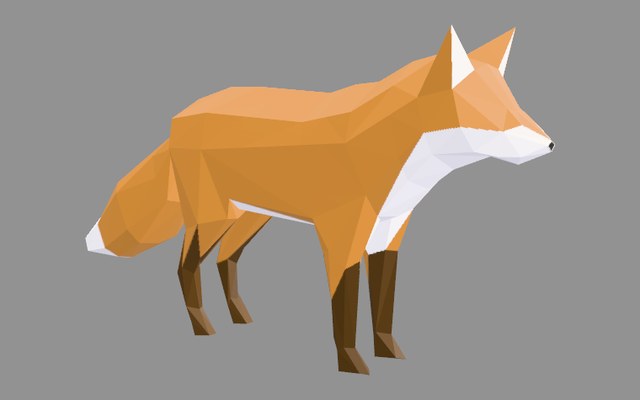
The editor's SEG tool on any one-piece textured model: read the UV islands and painted colours, decide what each piece is, and cut it into named, classed meshes in one undo step. An avocado is the easy case, a toy duck the hard one (ten islands, six parts), an animated fox shows a skinned mesh cut with its skeleton and clips intact, and the page says where the method stops working. Built with the JS Shell.

Open example →
Cut a scene into named parts

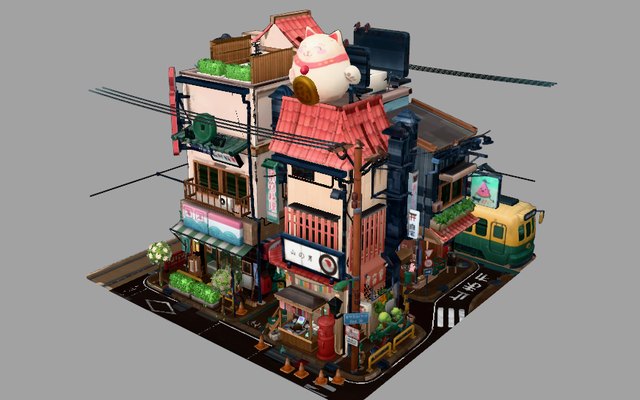
SEG on a furnished room: one mesh, 538 texture islands, no part that is one island. SEG joins the islands that touch into components, measures them in the world frame, places everything you did not name on the nearest anchor you did, and checks the cut; you supply the anchors and their names. Says where the checks fired on the first attempt. Built with the JS Shell.

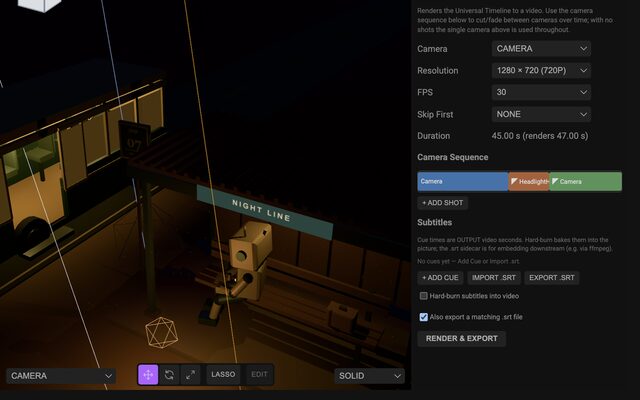
Name every part of a street-corner diorama

SEG on a 71-mesh street-corner diorama whose biggest mesh has 3,297 texture islands: too many to anchor individually. An agent names 22 regions from orthographic views, cuts nine meshes into 124 named, classed parts, names the 62 meshes that were already separate, and selects one object across all its materials with a class. Says where SEG's own warning caught a second post box, and that the cut replays. Built with the JS Shell.

Open example →
Cut an avocado into named parts, building the tool by hand

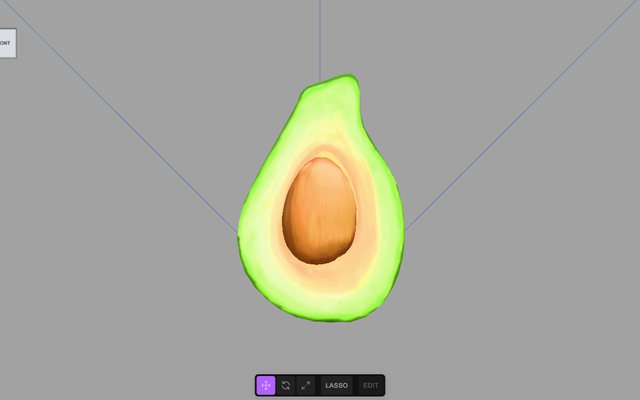
The editor's SEG tool, written out by hand on a one-piece avocado: read the evidence the file carries (separate patches of the texture, and the colours painted on them), cut it into five named, classed meshes (skin, pit, cavity, flesh, edge) without losing a triangle, and check the cut. Says plainly where the method stops working. Built with the JS Shell.

Open example →
Games

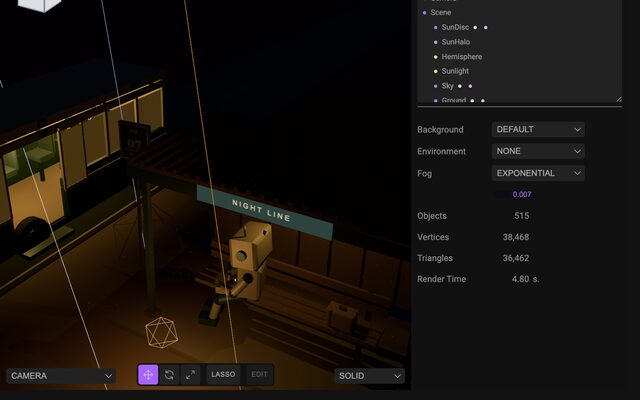
Build a scene, label it, and leave the behaviour to game code.

Animation and rendering

Timelines, cameras and shots.

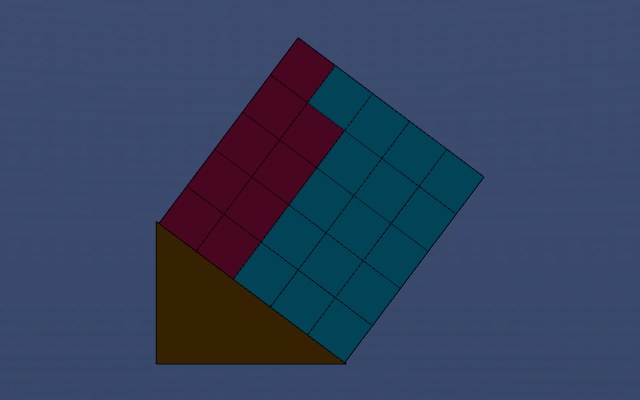
Make a Pythagorean-theorem short

Build a 100-second animated demonstration that 3² + 4² = 5², extend it to two more triples with quarter turns of the camera, and add subtitles, using the JS Shell and the Universal Timeline.

Open example →

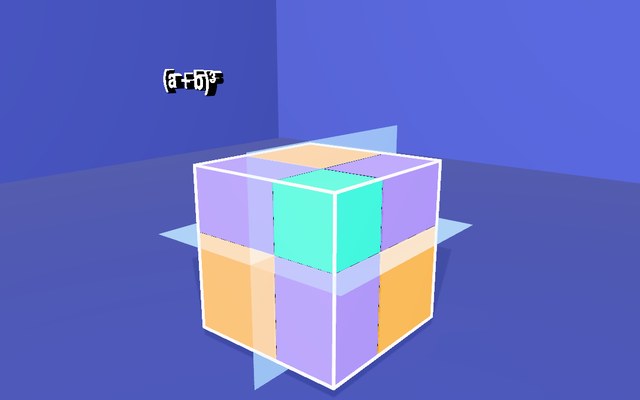
Build the (a + b)³ proof in 3D

A 3D visual proof of (a + b)³ = a³ + 3a²b + 3ab² + b³ with no numbers: a whole cube falls apart into eight coloured blocks that line up under the expanded equation, with five cameras, an x-ray and subtitles, all from the JS Shell.

Open example →

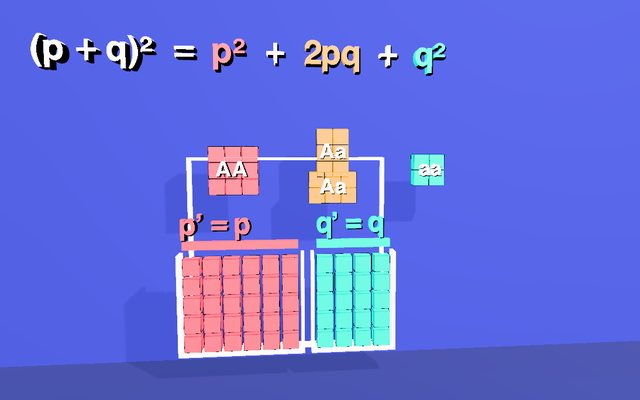
Hardy–Weinberg as a square

The Hardy–Weinberg law as a square: p² + 2pq + q² for one round of random mating, then a count of the alleles that shows p and q are unchanged, with the assumptions listed. Built with the JS Shell.

Open example →

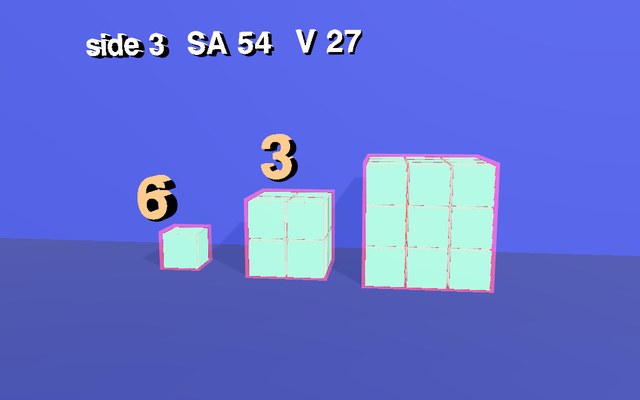
Why cells are small: surface area to volume

Cubes of side 1, 2 and 3 have surface-to-volume ratios of 6, 3 and 2 per unit-cube width, falling as 1 / side in any units: why cells stay small and divide, and why mitochondria and lungs fold their membranes. Built with the JS Shell.

Open example →
Why molecules are shaped differently: electron-pair repulsion

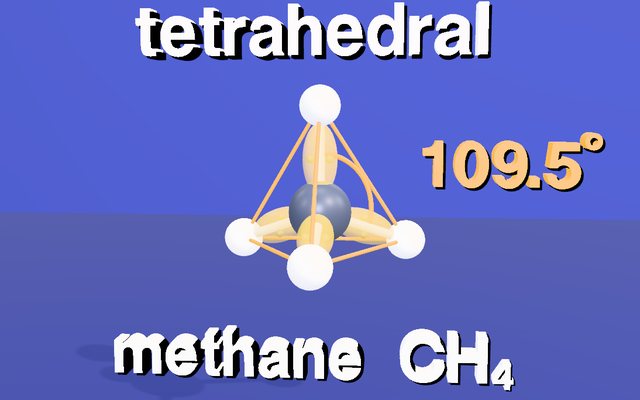
Methane, ammonia and water built from coloured spheres and bonds: four electron pairs spread to the corners of a tetrahedron, and each lone pair, which has no atom on it, closes the angle a little more (109.5°, 107°, 104.5°). Orbit each molecule to see what a flat drawing hides. Built with the JS Shell.

Open example →
Characters

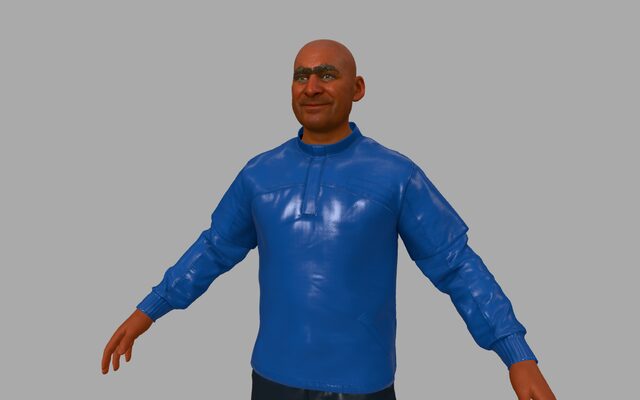
Import, restyle, pose and animate a character.

Motion capture

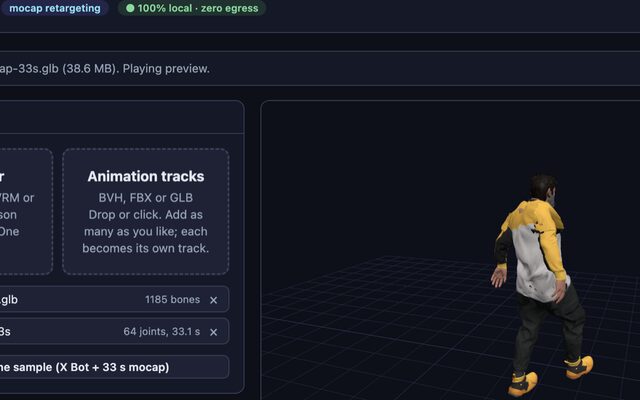
Work from recorded performances.